Between ambisonic field recordings, speaker array development and concert organizing by Hans-Gunter Lock

➡️ This presentation is part of IRCAM Forum Workshops Paris / Enghien-les-Bains March 2026
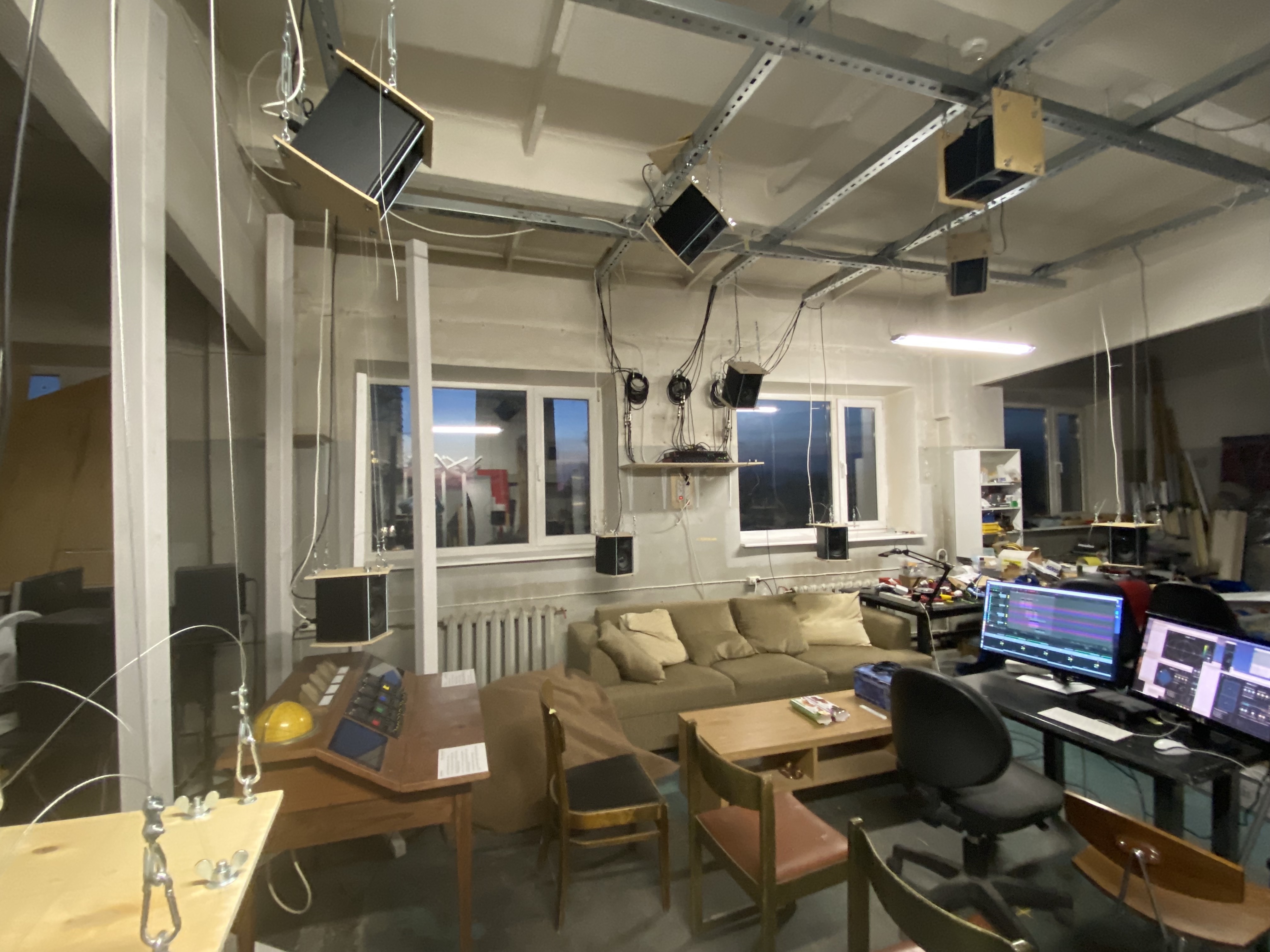
Since 2021 the author has dedicated his creative and organizational activities to popularize spatial sound in Estonia, mainly using ambisonic technology. At the beginning was the development of a speaker array system with 23 budget semi-professional loudspeakers, which can be deployed from the studio and moved and installed in a black box type venue with versatile hanging options. The author is interested in a variety of creative ways to use the ambisonic technology.
The author has explored the creative potential of this technology in several ways. The obvious choice was the creation of acousmatic electroacoustic fixed-media pieces based on synthesized as well as recorded and electronically processed sounds.
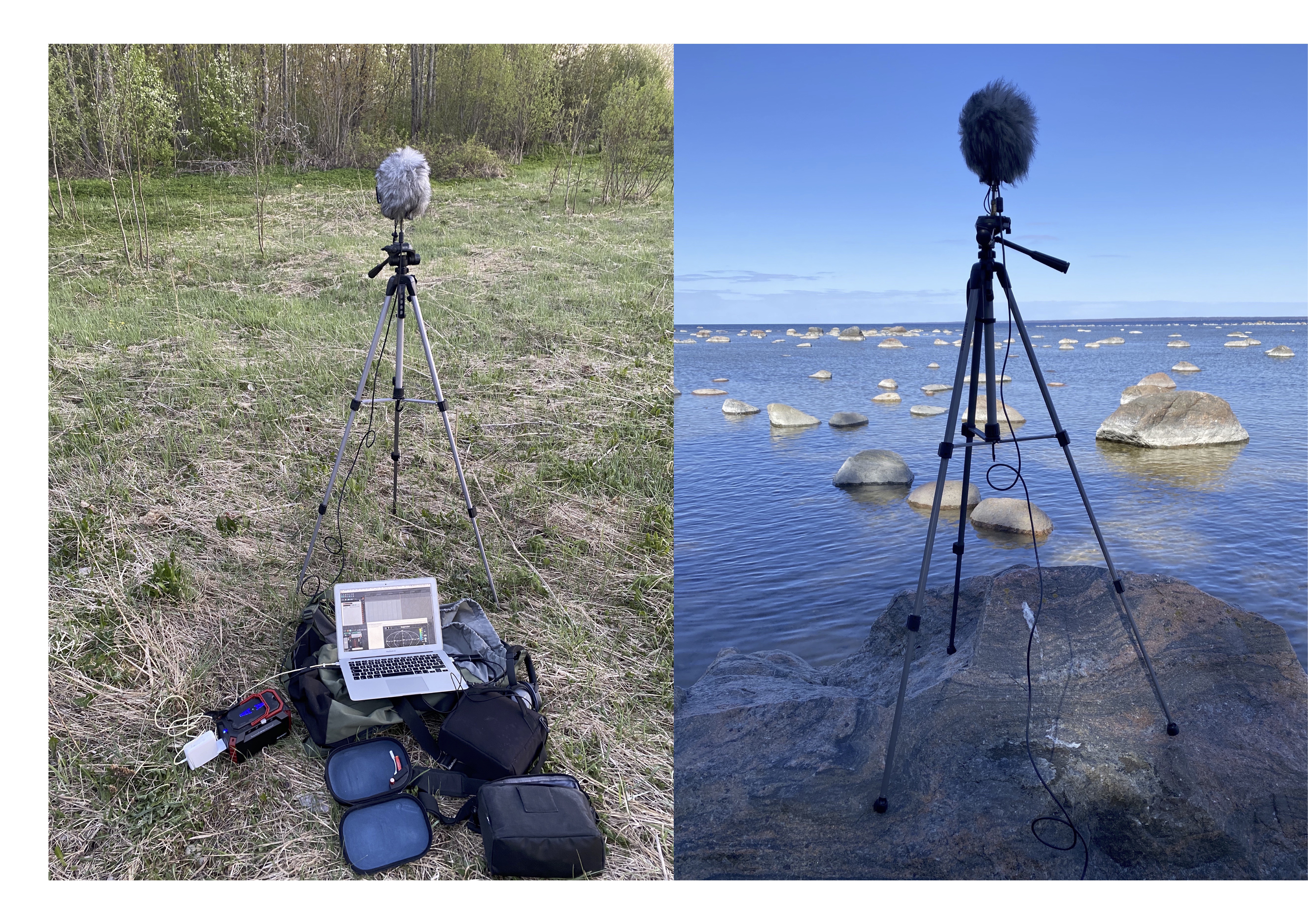
But the author was particularly interested in the topic of spatial field recording with sufficient resolution in space. The Zylia ZM-1 3rd order ambisonic microphone has proven itself very well for this purpose, which allows it to capture soundscape situations preserving all the directional information from the recording location.
In urban situations the careful choice of the recording spots has been essential finding soundscape situations with sound sources from as many different directions as possible. There have been meaningful and iconic soundscape spots like a pedestrian wooden bridge beside a railway bridge in the city of Helsinki, or a crossroad passing by several types of trams in Tallinn. A different sounding environment has been found in Spring with bird songs from a small island in the Gulf of Finland or from a manor park in Central Estonia.
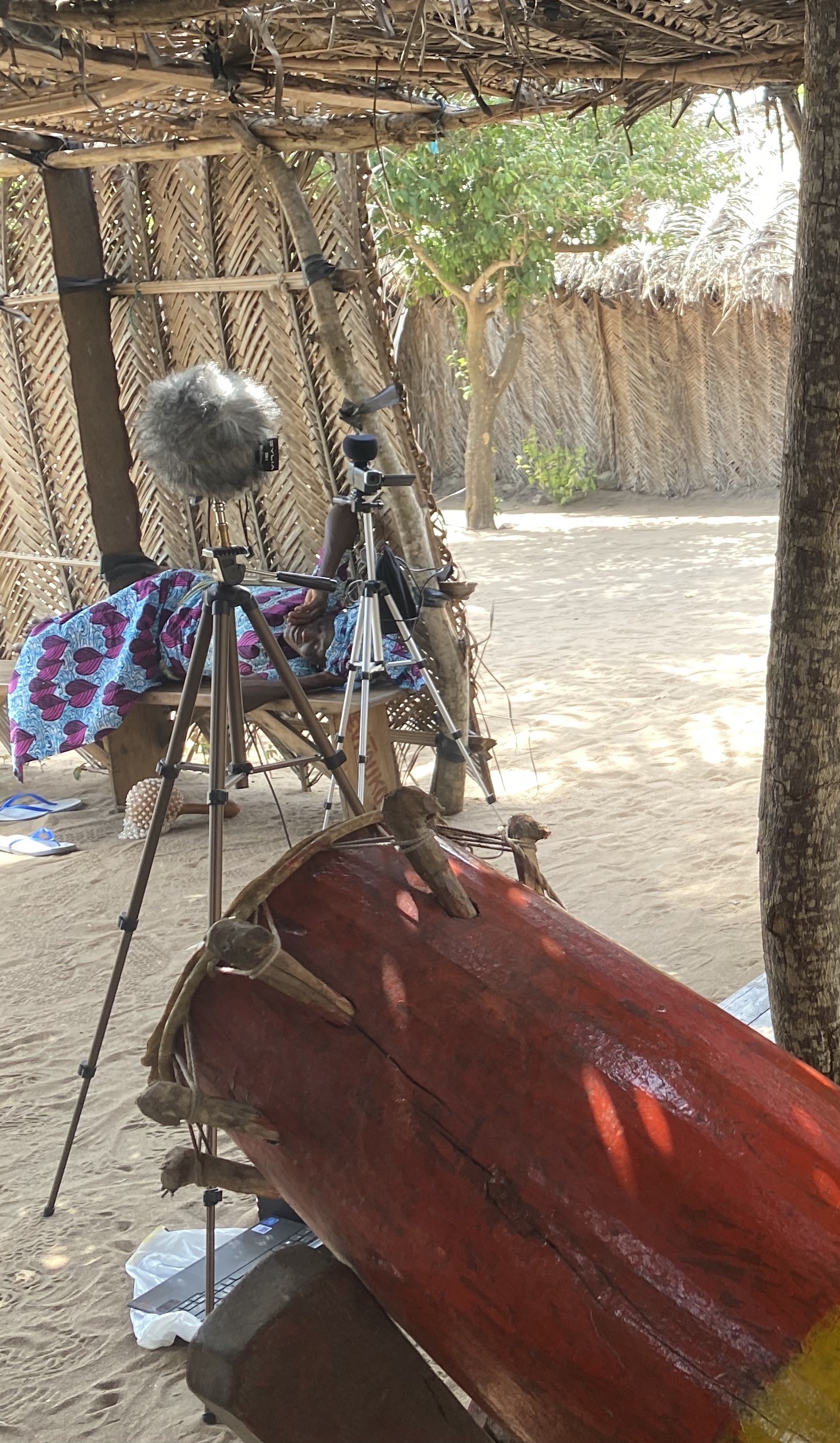
Even more different sonic impressions can be found in the recordings from Benin in West Africa: The early morning with wild and domestic birds and a thunderstorm, both in the town of Grand-Popo, and as well as numerous ambisonic recordings of the rhythmically complex traditional music from several village in the same geographic region. The ambisonic Zylia recordings gave some possibility of post processing sound source separation, which was helpful for making transcriptions of this aural cultural heritage.
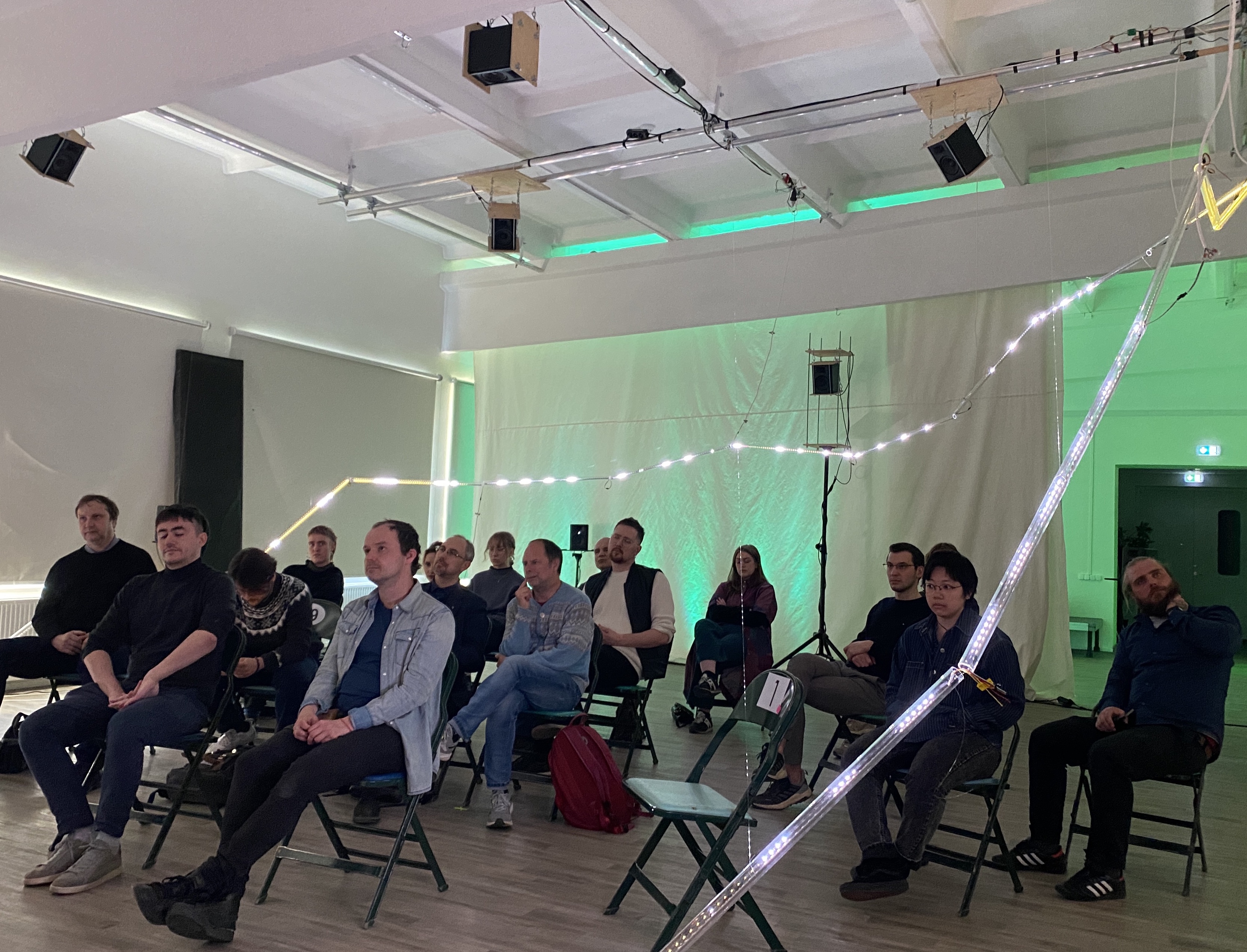
Until present numerous concerts with the speaker system of the author have been organized. As the author is teaching at the Estonian Academy of Music and Theatre, workshops and concerts for the students have been regularly organized. Through the topic of spatial sound the relatively small Estonian community of academic electroacoustic music has been bound to the sound-art scene and underground scene. The ambisonic sound system has regularly been part of the already 10 years existing bi-annual Üle Heli festival.