"Archisonic" by Misucmaker

➡️ This presentation is part of IRCAM Forum Workshops Paris / Enghien-les-Bains March 2026
Archisonic proposes a research-driven artistic exploration at the intersection of architecture, sound, and artificial intelligence. The project investigates how architectural spaces can be approached not only as visual or functional structures, but as acoustic, temporal, and compositional entities. By treating architecture as a resonant body and sound as a spatial memory carrier, ARCHISONIC seeks to develop new forms of listening, composition, and performance.
Rooted in architectural analysis, sound archaeology, and experimental music practices, the project explores how spaces can “write” music, and how music, in return, can reveal hidden structures, proportions, and affective layers of architecture.
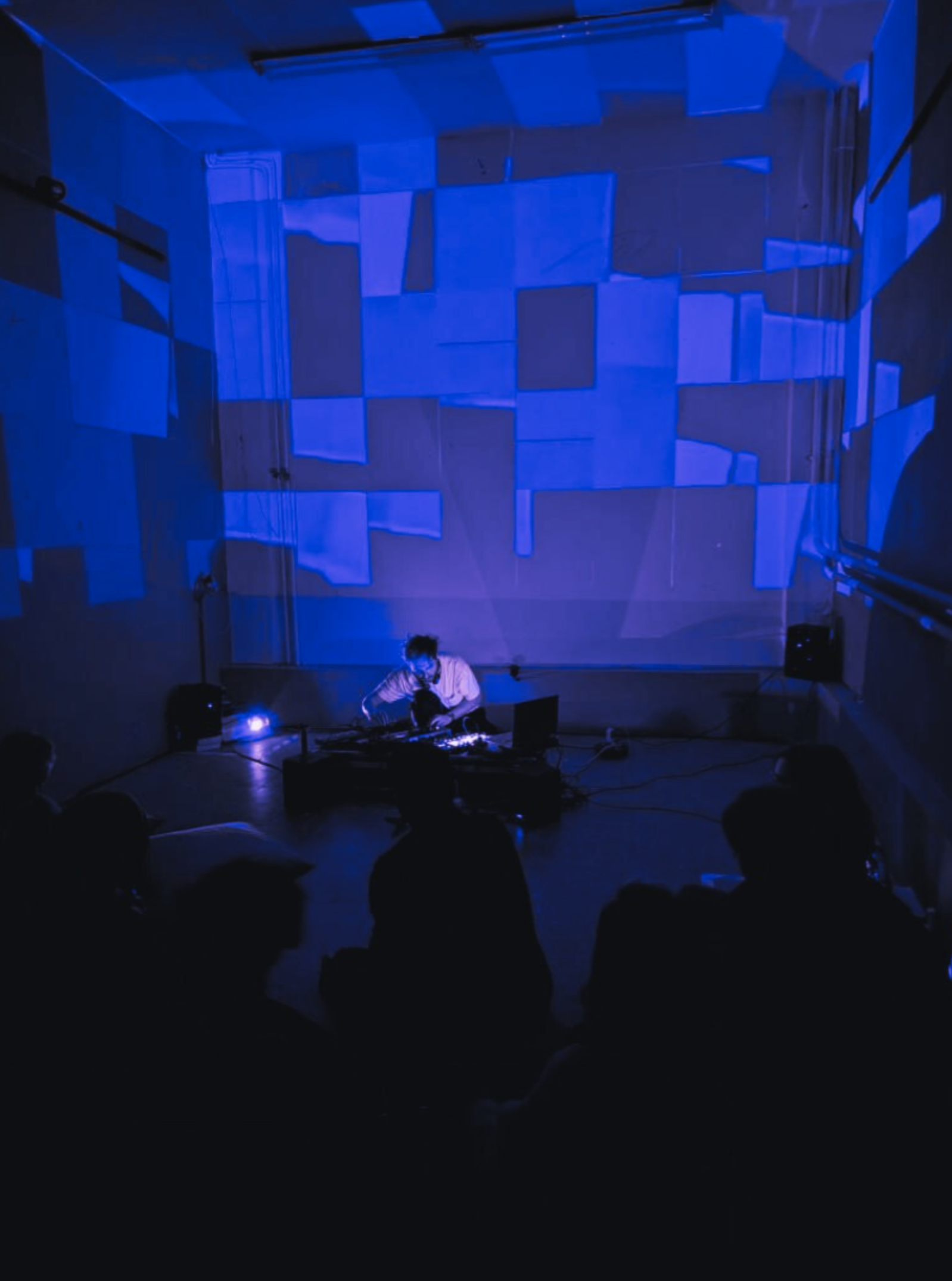
Conceptual Point of Departure: Architecture as a Compositional System
ARCHISONIC begins from the premise that architectural space carries latent musical potential. Proportion, material, volume, geometry, and circulation are treated not as static features, but as compositional forces: parameters that can be read, mapped, and performed.
Instead of writing music for a space, the project proposes composing from the space and its lived history. A building is approached as a time-bearing body, shaped by its making, its materials’ aging, its changing functions, and the layers of use it has accumulated. Architectural form is translated into sonic structure, rhythm, texture, and temporal development, allowing the building’s biography, its past and the life it has hosted, to become an active agent in the musical process.
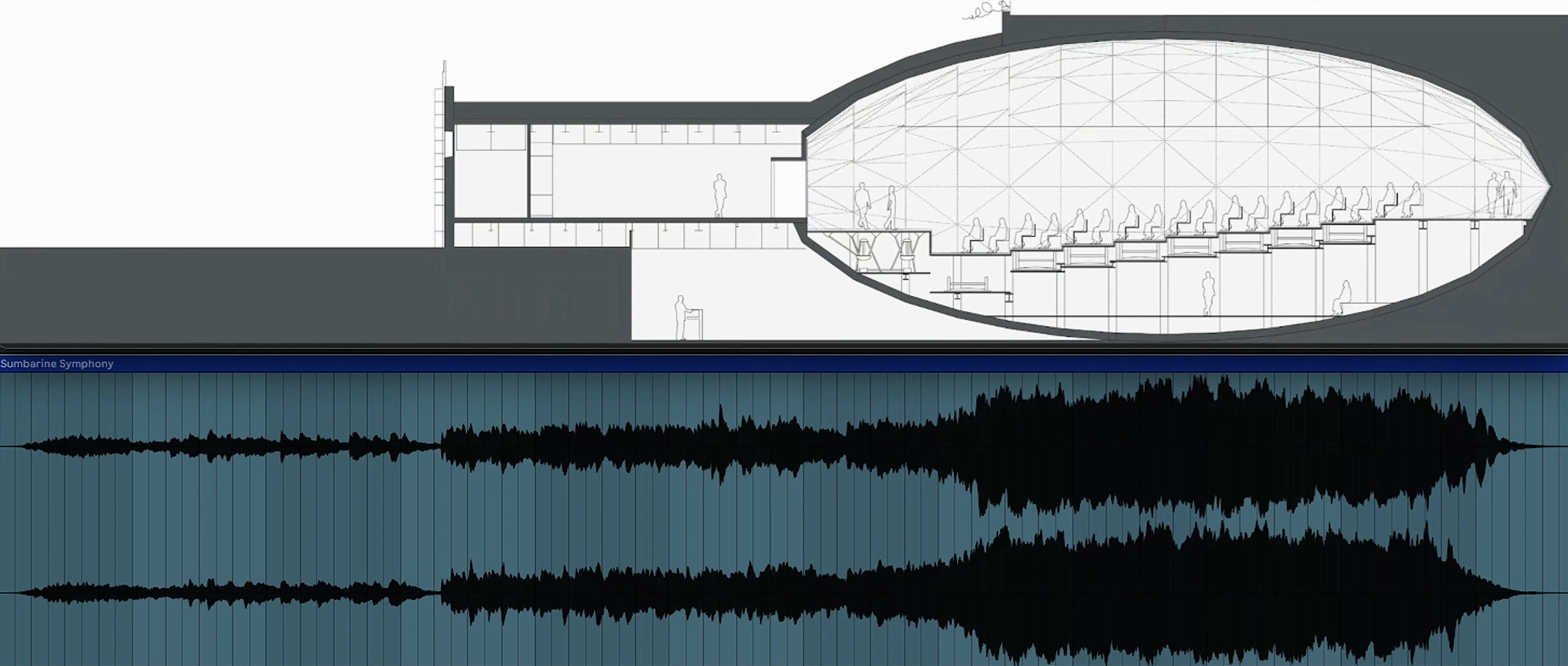
AI as a Translational Instrument
In ARCHISONIC, artificial intelligence is not positioned as an autonomous creator, but as a mediating and interpretive tool between architecture and sound. Machine learning models are used to analyze, transform, and re-read architectural data, acoustic recordings, and spatial characteristics.
The project deliberately employs AI as an imperfect translator. Its slippages, artifacts, and misreadings, especially when confronted with complex, non-linear, historically charged spaces, are approached through a hauntological lens, where translation becomes a site of spectral overlap between what a place is, what it remembers, and what it can still sound like.

Methodological Approach
The research and performance are structured around three interconnected layers:
- Architectural Analysis
Spatial geometry, materiality, proportions, and circulation are studied through drawings, measurements, and historical references. - Sound Capture and Transformation
Field recordings, impulse responses, resonances, and ambient sounds of architectural environments are collected and transformed into compositional material. - AI Support
Rather than functioning as an autonomous author, AI operates as a conceptual support and translational partner: an instrument that proposes mappings, reveals hidden patterns, and offers productive misreadings that the performer curates, reshapes, or rejects in real time.
Performance as a Spatial Dialogue
The live performance functions as a dialogue between the performer and the architectural space. The performer navigates between concrete spatial references, form, proportion, material presence, resonance, and the unfolding sonic decisions made in the moment.
Each performance is inherently site-sensitive and non-reproducible. Musical form emerges through interaction rather than a fixed score, allowing the space to continuously reshape timing, density, texture, and intensity.
Rather than illustrating architecture, the performance attempts to listen to it, revealing its temporal, acoustic, and affective dimensions.
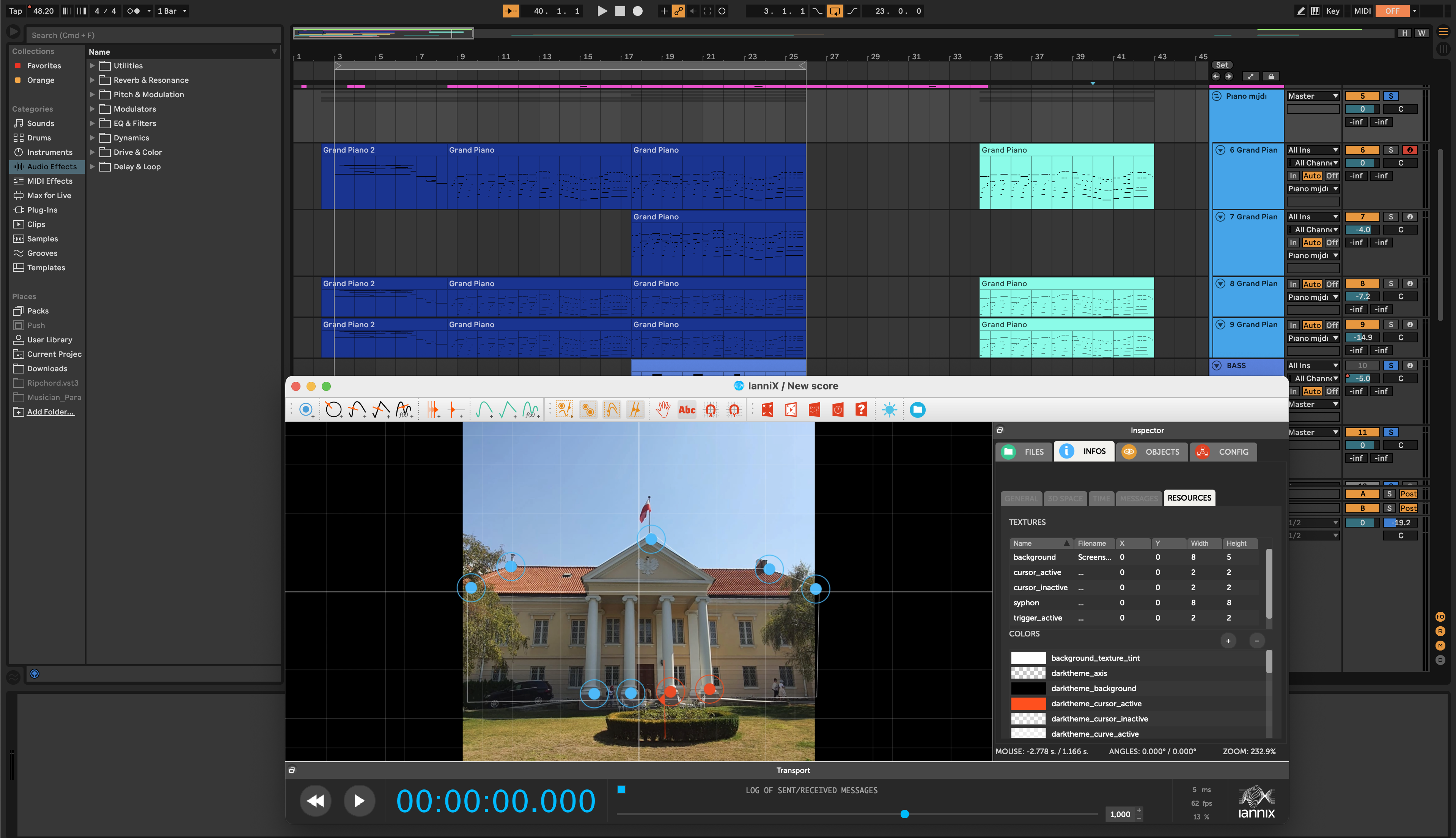
A Field to Explore
ARCHISONIC is driven by a set of open research questions:
-
How can architecture be perceived and composed as sound?
-
What kinds of musical structures emerge from spatial proportions and materials?
-
How can AI be used as conceptual support for composition?
-
Can performance become a method of architectural analysis and research?
These questions are not approached as problems to be solved, but as territories to be explored through artistic practice.
What It Seeks to Reveal
ARCHISONIC aims to contribute to ongoing discussions on interdisciplinary research between music, architecture, and emerging technologies, while reframing this field from a musicological perspective. Since much of the existing work at this intersection is often architecture-led, the project positions its methods and outcomes as a contribution to the musicological corpus as well as to spatial studies.
By combining artistic performance with analytical reflection, ARCHISONIC proposes modes of knowledge production that operate beyond disciplinary boundaries. Ultimately, it treats listening as a critical and creative act, capable of revealing unseen dimensions of space, memory, and human presence within architecture.